
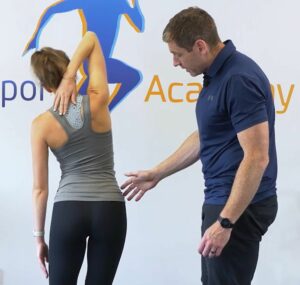
Shoulder injuries are one of the most common challenges in field sports. From a rugby tackle to a cricket throw or a football pass, the shoulder is under constant stress. The rotator cuff, a group of four muscles that stabilizes and rotates the shoulder, takes the brunt of these forces. Even when the pain is mild, repeated stress can lead to chronic issues that affect both performance and daily life. Understanding how these injuries happen and how to prevent them is key for athletes who want to stay on the field without compromise.
Why Field Sports Stress the Rotator Cuff
Field sports involve high-velocity, overhead, and forceful movements that place the rotator cuff under repeated strain. Throwing a ball, tackling an opponent, or reaching overhead for a catch all load the shoulder in different ways. Over time, small amounts of tissue stress add up, particularly if the athlete is fatigued, has inefficient movement patterns, or suddenly increases training intensity or volume. Even when the shoulder feels fine during play, micro-trauma can accumulate, leading to pain or weakness after the game.
Fatigue and poor coordination elsewhere in the body, like weak core or hip muscles, can make the shoulder compensate, increasing the risk of irritation. This is why a rotator cuff injury is rarely just a “shoulder problem.” It reflects how your entire movement system handles load and stress.
Recognizing the Signs
Early identification matters. Common signs include pain during overhead or rotational movements, weakness while lifting or pressing, and an achy or tight shoulder after matches or training. In more serious cases, there may be catching, clicking, or a sense of instability. Left unchecked, these symptoms can interfere with not only athletic performance but also everyday activities—reaching for a high shelf, carrying a backpack, or even sleeping comfortably on your side can become painful.
Prevention Principles
Preventing rotator cuff injuries goes beyond isolated strengthening exercises. Integrated strategies that address the whole movement system are far more effective:
- Load Management: Gradually increase intensity and volume to avoid sudden spikes that overload the shoulder.
- Kinetic Chain Coordination: Strong hips, core, and thoracic spine reduce compensatory stress on the shoulder.
- Scapular Control: Efficient shoulder blade movement creates space for the rotator cuff tendons and reduces impingement risk.
- Warm-Up & Movement Prep: Dynamic mobility and activation exercises prepare the shoulder and surrounding muscles for high-intensity sport.
Confident, efficient shoulder movement depends on more than muscle strength; it relies on the nervous system sensing safety and stability with every throw, tackle, or overhead reach.
Recovery & Rehab Principles
If a rotator cuff injury occurs, recovery should focus on restoring load tolerance and movement coordination rather than simply “strengthening the cuff.” Effective rehab emphasizes:
- Gradual exposure to sport-specific loads like throws or overhead drills.
- Correcting compensatory patterns throughout the body.
- Integrating shoulder, core, and hip exercises to restore system-wide efficiency.
- Following structured return-to-play protocols to prevent re-injury.
Standard rehab that ignores load, coordination, or kinetic chain deficits often fails to prevent recurrence. The shoulder needs not just local recovery, but a system-wide reset to handle the stresses of field sports.
Daily Life & Performance Impact
Rotator cuff injuries affect more than just training and competition. Athletes may struggle with everyday tasks such as reaching overhead, carrying bags, or lying on their side. Performance suffers too: throws lose velocity, tackles feel less secure, and confidence in shoulder stability drops. By addressing prevention and recovery in a holistic, system-focused way, athletes protect both their performance and their quality of life off the field.
Take Action
Rotator cuff injuries in field sports can be managed effectively when caught early. Understanding load tolerance, movement coordination, and the kinetic chain helps protect your shoulder and reduce the risk of recurrence. Begin by visiting our self-assessment page to clarify your symptoms, or book an appointment with one of our physiotherapists to get personalised guidance and start your recovery safely.
Your shoulder is more than a joint; it’s part of a movement system. When that system works in harmony, you stay strong, confident, and ready for every match, training session, and daily challenge.
This is part of The Resilient Athlete
The system we use to get athletes moving with confidence again. Here is where to go from this article.
Book an assessment and get a plan built around you.
A generic plan only gets you so far. An online assessment finds the root cause with you and tells you exactly what to do next.